By the Suzanne and Chad Team
Owning a home in Winter Park means living in one of Central Florida's most sought-after communities, where tree-lined streets, historic architecture, and well-kept properties set the standard for the surrounding region. But maintaining that standard takes more than curb appeal; it takes a disciplined approach to upkeep throughout the entire year. Property values in Winter Park remain strong in part because homeowners here tend to be proactive, and a consistent annual maintenance routine is one of the most reliable ways to protect what you've built.
Florida's climate creates a unique set of challenges that homeowners in northern states simply don't face. The combination of intense heat, high humidity, tropical storms, and a year-round pest season means that deferred maintenance compounds quickly. In Winter Park, where properties often sit at higher price points and buyers come in well-informed, visible signs of neglect can significantly impact how your home is perceived and appraised.
Whether you've lived in your Winter Park home for decades or recently purchased one, this annual home maintenance guide gives you a structured, season-by-season framework for staying ahead of wear and tear, protecting your investment, and keeping your property showing at its best.
Key Takeaways
- Florida's heat and humidity accelerate wear on roofing, HVAC systems, and exterior surfaces, making regular inspections essential.
- Landscaping and irrigation maintenance directly affect curb appeal and property value, particularly in a market where outdoor living is a year-round priority.
- Hurricane season runs from June through November, so preparing your home structurally and mechanically before summer is one of the most valuable steps you can take each year.
- Routine pest inspections are a non-negotiable part of homeownership in Winter Park, given the year-round activity of termites, ants, and other insects.
- Staying current on maintenance documentation can strengthen your position when it comes time to sell, refinance, or undergo an appraisal.
Spring Maintenance: Reset and Prepare Before the Heat Arrives
Spring in Winter Park arrives early, and by March, the temperatures are already climbing toward the upper 70s and 80s. This is the ideal window to assess any damage from the mild winter season and get your home ready for the heat and storm activity ahead. Spring maintenance sets the foundation for everything else you'll do throughout the year.
Start with your roof. Inspect shingles for cracking, curling, or missing pieces after any winter wind events. Check flashing around chimneys, skylights, and vents for signs of separation or rust. In Central Florida, roofs face intense UV exposure from spring onward, and a small crack or gap in flashing can allow water intrusion that causes significant interior damage before you ever notice it from the ground.
Your HVAC system deserves close attention before the summer cooling season begins in earnest. Schedule a professional tune-up, replace the filters, clear debris from the outdoor condenser unit, and have refrigerant levels checked. A well-maintained system runs more efficiently, lasts longer, and is far less likely to fail during a heat wave when service appointments are hard to come by.
Spring Maintenance Priorities
- Schedule a roof inspection with a licensed roofing contractor and document the condition with photos.
- Have your HVAC serviced professionally, including coil cleaning, refrigerant check, and thermostat calibration.
- Inspect window and door seals, replacing worn weatherstripping to keep conditioned air inside and moisture out.
- Flush and test your irrigation system, checking for broken heads, pressure issues, or zones that aren't reaching full coverage.
- Clean gutters and downspouts thoroughly, confirming that water drains away from your foundation.
Summer Maintenance: Storm Readiness and Heat Management
Summer in Winter Park means afternoon thunderstorms and sustained heat that puts every exterior surface of your home to the test. The most important thing you can do in summer is make sure your home is structurally prepared for whatever the season brings.
If you haven't done so already, evaluate your window and door situation before storms. Impact-resistant windows and reinforced garage doors are among the most effective ways to protect your home in a high-wind event, and they're also attractive features to buyers in the Winter Park real estate market. At a minimum, ensure that you have a plan for storm shutters or panels and that any existing hardware is in working order.
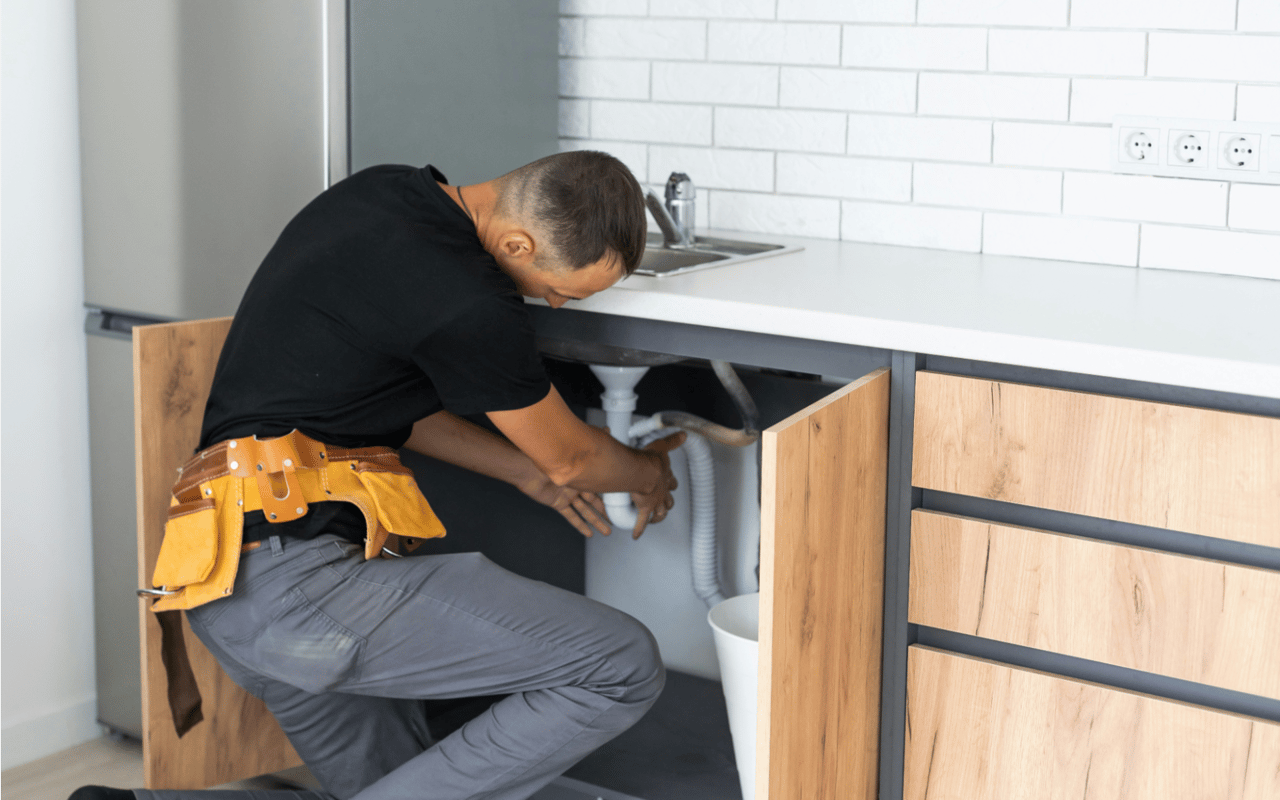
Summer is also the time to stay vigilant about moisture. Check under sinks, around toilets, and near the water heater for any signs of leaks. High humidity can mask slow leaks, giving mold and mildew time to take hold in wall cavities before any visible signs appear. Run bathroom exhaust fans consistently, and consider a whole-home dehumidifier if your system struggles to keep the interior humidity below 55 percent.
Summer Maintenance Priorities
- Test smoke and carbon monoxide detectors, replacing batteries as needed.
- Trim trees and large shrubs so that branches are not hanging over the roofline or near power lines.
- Inspect the exterior paint or stucco for bubbling, peeling, or cracking that could allow moisture intrusion.
Fall Maintenance: Pre-Winter Prep
October and November mark the tail end of hurricane season and the beginning of the cooler, drier stretch that makes Central Florida so livable. This season is perfect for post-storm assessments and getting any deferred projects handled before the holiday calendar takes over.
Walk your property after any significant storm and look carefully at the roof, fence, screens, and landscaping. Pool enclosures and screen rooms may be damaged from high winds, and small tears or bent framing can escalate quickly if left unaddressed. While you're at it, check exterior light fixtures, fascia boards, and any wood trim for signs of rot or storm damage.
Fall is also the right time to schedule a pest inspection. A licensed pest control company can assess for subterranean and drywood termite activity, identify conducive conditions around your foundation, and ensure your treatment program is current.
Fall Maintenance Priorities
- Have a licensed pest control professional conduct a full inspection, including a termite assessment.
- Drain and flush your water heater to remove sediment buildup, which reduces efficiency and shortens the unit's lifespan.
- Inspect and clean your pool or spa equipment, including filters, pumps, and chemical dispensers.
- Check the condition of your driveway and walkways for cracks or settling.
- Service your outdoor kitchen or grill if you have one, cleaning burners and inspecting gas lines.
Winter Maintenance: Keep Systems Running Through the Cooler Months
Winter in Winter Park is the season that makes the rest of Florida jealous. Temperatures are mild, humidity drops, and the community comes alive with events and outdoor activity.
Cold snaps do occur in Central Florida, sometimes dropping into the low 30s overnight for a few days at a time. While a hard freeze is uncommon, you should still protect exposed pipes, irrigation backflow preventers, and any outdoor water features when temperatures are forecast to drop. Wrapping pipes and shutting off irrigation the night before a freeze is a simple step that can prevent an expensive repair.
This is also the ideal time to do a thorough interior inspection. Check insulation and ventilation, inspect the electrical panel for any signs of heat or corrosion, and test all GFCI outlets in bathrooms, kitchens, and outdoor areas. Winter is when most Winter Park homeowners have the bandwidth to tackle these less urgent but important items before the spring cycle begins again.
Winter Maintenance Priorities
- Protect exposed pipes and irrigation backflow preventers before forecast freezes.
- Inspect insulation and ventilation to ensure proper airflow year-round.
- Test all GFCI outlets and check the electrical panel for any warm spots, tripping breakers, or signs of corrosion.
- Clean dryer vents to reduce fire risk and improve appliance efficiency.
- Review and organize all maintenance records, warranties, and appliance manuals so that they are current and easy to locate.
FAQs
How Often Should I Have My Roof Inspected in Winter Park?
A professional roof inspection is recommended at least once a year, ideally in spring before storm season begins. If your home experienced any significant storm activity, including high winds or hail, schedule an additional inspection regardless of whether you've noticed visible damage. Roofs in Central Florida face some of the harshest UV and wind exposure in the country, and catching issues early is far less expensive than dealing with water intrusion.
Does a Home Maintenance Routine Actually Affect Property Value in Winter Park?
Yes, meaningfully so. Buyers in the Winter Park market pay close attention to the condition of major systems, including the roof, HVAC, plumbing, and electrical. A home with a documented, consistent maintenance history signals to buyers that the property has been well cared for, which can support a stronger asking price and a smoother inspection process. Deferred maintenance, on the other hand, almost always surfaces during a buyer's inspection and creates negotiating leverage you'd rather not hand over.
What Pest Control Services Are Most Important for Winter Park Homeowners?
Termite protection is the top priority. Both subterranean and drywood species are active in the Winter Park area year-round. A baiting or liquid treatment program through a licensed pest control company, combined with annual inspections, is standard practice for homeowners here. General pest control for ants, roaches, and mosquitoes is also widely used and helps maintain the quality of your indoor and outdoor living spaces.
How Do I Know If My HVAC System Needs to Be Replaced vs. Repaired?
As a general guideline, if your HVAC system is more than 12 to 15 years old and repairs are starting to add up, replacement typically makes more financial sense than continued repair. In Winter Park's climate, HVAC systems run for many months of the year, which accelerates wear. A qualified HVAC technician can assess the efficiency of your current system and give you a realistic picture of its remaining useful lifespan.
A Well-Kept Home Is a Well-Positioned Home
The Winter Park real estate market rewards homes that are genuinely well cared for. Buyers here are discerning, and the community's reputation for quality means that properties showing signs of deferred maintenance stand out in the wrong way. A consistent annual maintenance routine protects your investment, keeps your home comfortable, and positions you for a stronger outcome when you're ready to make your next move.
When you're ready to explore what your Winter Park, FL, home is worth today or to find your next property in the area, reach out to us at the Suzanne and Chad Team. We're here to guide you through every step of the process.