Wondering why some Reunion homes get attention quickly while others sit? In a resort community, buyers are not just comparing square footage and finishes. They are weighing lifestyle, rules, carrying costs, amenity access, and even how your home stacks up against new construction. If you want to sell with confidence, you need a strategy that fits how this market actually works. Let’s dive in.
Why Reunion Is Different
Reunion is a large resort-driven community with a long development horizon, which shapes how buyers shop and how sellers need to position a home. Osceola County treats Reunion Resort & Club of Orlando as a Development of Regional Impact, with approvals that include thousands of residential units, hotel rooms, retail, office space, and a 54-hole golf course across about 2,226 acres, with buildout extending through October 25, 2031.
That matters because you are not selling in a simple neighborhood market. You are selling in a supply-rich resort environment where buyers often compare resales, vacation-use potential, ownership costs, and new inventory all at once.
What Reunion Buyers Compare
In Reunion, your likely buyer is not just one type of person. You may be speaking to a primary resident, a second-home buyer, or an investor looking at short-term rental use if the property is eligible and properly licensed. Each group cares about slightly different things, so your listing has to answer more than one set of questions.
Primary residents may focus on daily livability, maintenance, and ownership costs. Second-home buyers often care about convenience, turnkey condition, and resort enjoyment. Investors tend to ask about rental eligibility, operating rules, taxes, amenity access, and management details before they get emotionally attached to the property.
Price for the Market You Have
One of the biggest mistakes in Reunion is pricing based on the resort name alone. Buyers today have data, options, and negotiating room, so aspirational pricing can backfire.
Recent Reunion numbers show a median sale price of $409,862 for the three months ending May 2026, up 10.8% year over year. Homes averaged 70 days on market, the sale-to-list ratio was 96.0%, and 43.6% of homes had price drops. Redfin labels the area as not very competitive.
The broader Orlando-area market also points to a more measured pace. In May 2026, the regional median home price was $407,002, homes averaged 66 days on market, inventory stood at 11,531 homes, and supply was 4.26 months. In other words, buyers are still active, but they are selective.
What strategic pricing looks like
Strategic pricing means using closed sales, current competition, and actual days on market to decide where your home should enter the market. In Reunion, overpricing can cost you early momentum, and that matters because resort buyers often compare multiple communities and ownership models before booking a showing.
A well-priced home creates urgency. An overpriced home often ends up chasing the market with reductions, which can weaken your position.
Compete With New Construction
Reunion sellers are not only competing with other resales. They are also competing with newly built homes at very different price points.
For example, new single-family homes in Reunion Village are being marketed from $421,900 with three- to six-bedroom plans and move-in-ready upgrades. At the luxury end, newly built villas in Whitemarsh Cove at Reunion Resort are being marketed starting at $2.1 million.
That means a buyer may ask a simple question: Why should I buy this resale instead of something brand new? Your listing needs a clear answer.
What a resale can offer that a new build may not
A resale often wins when it highlights features that are hard to recreate quickly. These may include:
- A more established lot or view
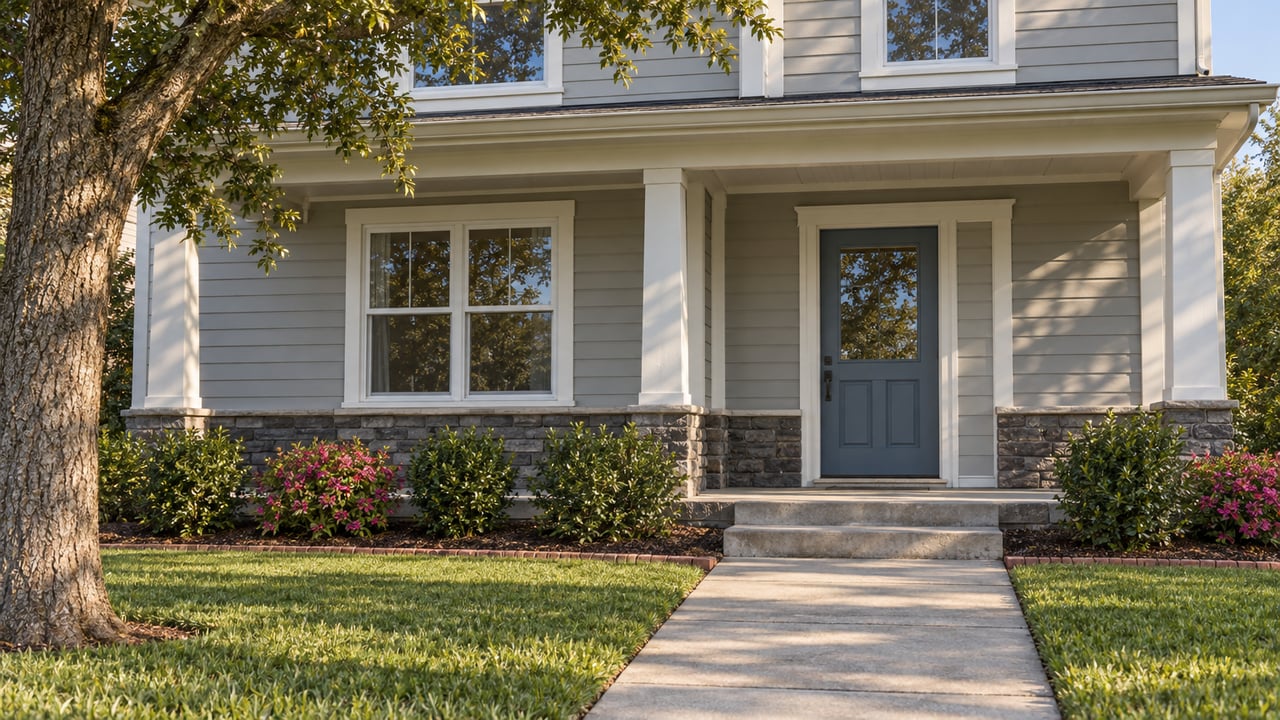
- Mature landscaping
- Better privacy
- Upgraded outdoor living areas
- A stronger pool or patio setup
- A more complete furniture package
- Service and maintenance records
- Immediate availability
If your home has any of these strengths, they should be part of the marketing story from day one.
Sell the Lifestyle, Not Just the Floor Plan
Reunion is sold as a lifestyle product as much as a home. The resort itself promotes features like three championship golf courses, a 5-acre water park, pools, tennis and pickleball, mini golf, dining, and close access to Walt Disney World.
That does not mean every property delivers the same ownership experience. It does mean your home should show clearly how it fits into the resort lifestyle buyers are looking for.
Focus on outdoor living and visual appeal
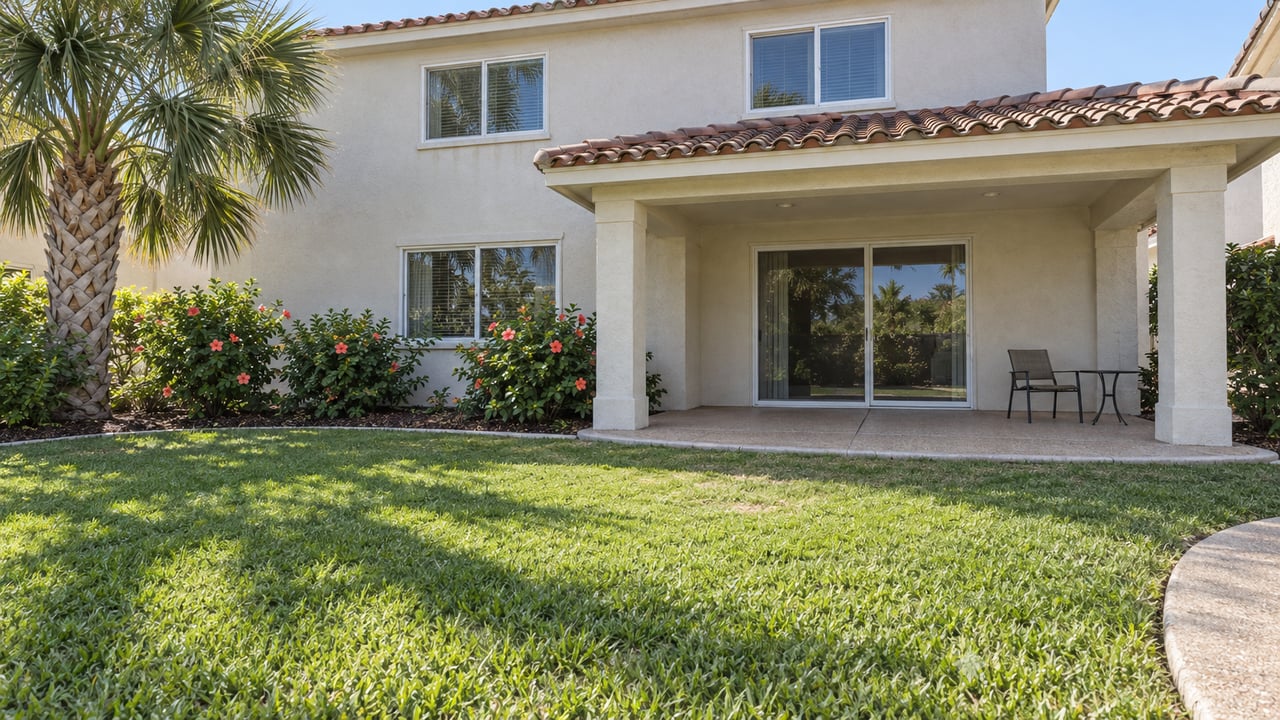
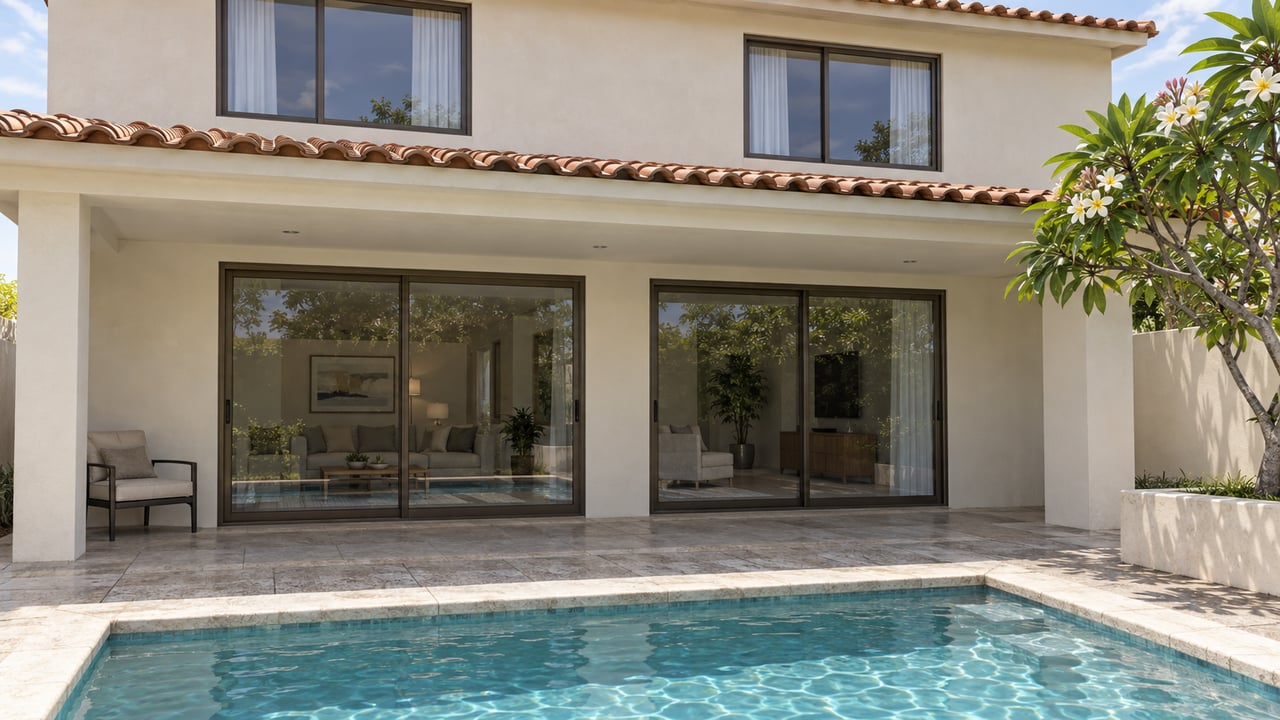
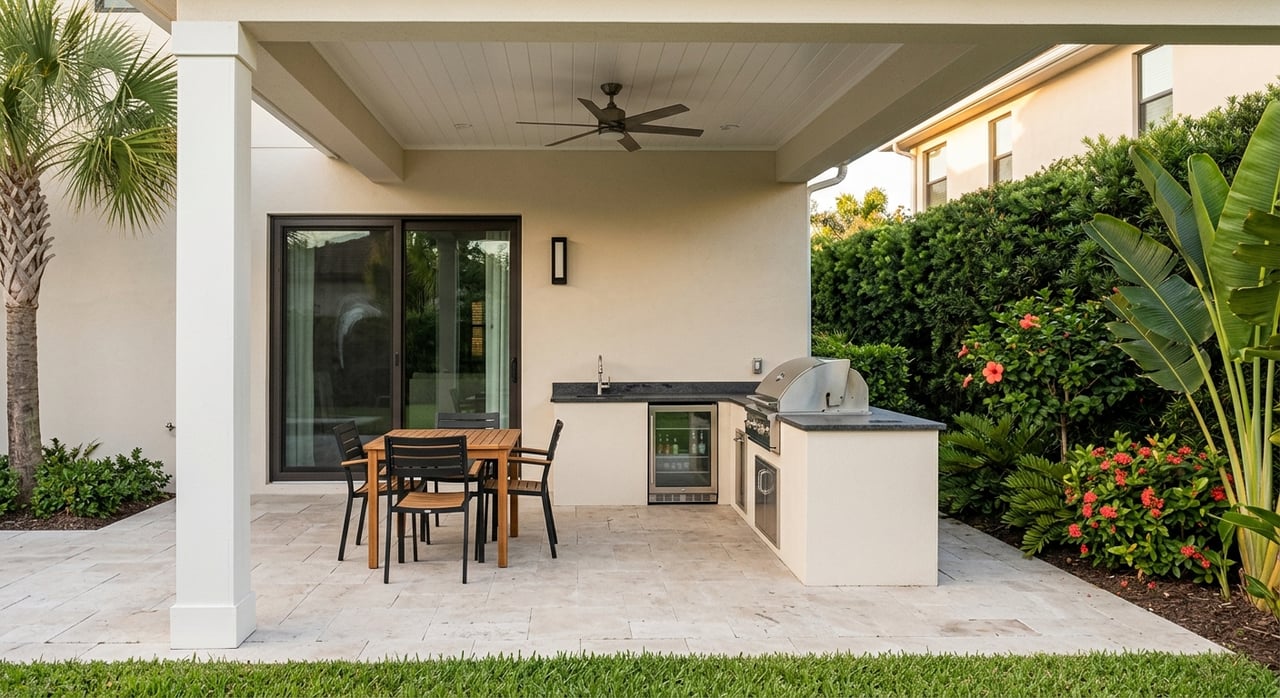
In a resort market, the outdoor spaces often matter more than sellers expect. Pool decks, patios, seating areas, landscaping, and views can all influence a buyer’s first impression.
Before listing, pay close attention to spaces that photograph as vacation-ready or low-stress. A clean pool area, fresh cushions, tidy landscaping, and an inviting patio setup can make your home feel more valuable before a buyer even walks inside.
Use strong media to create demand
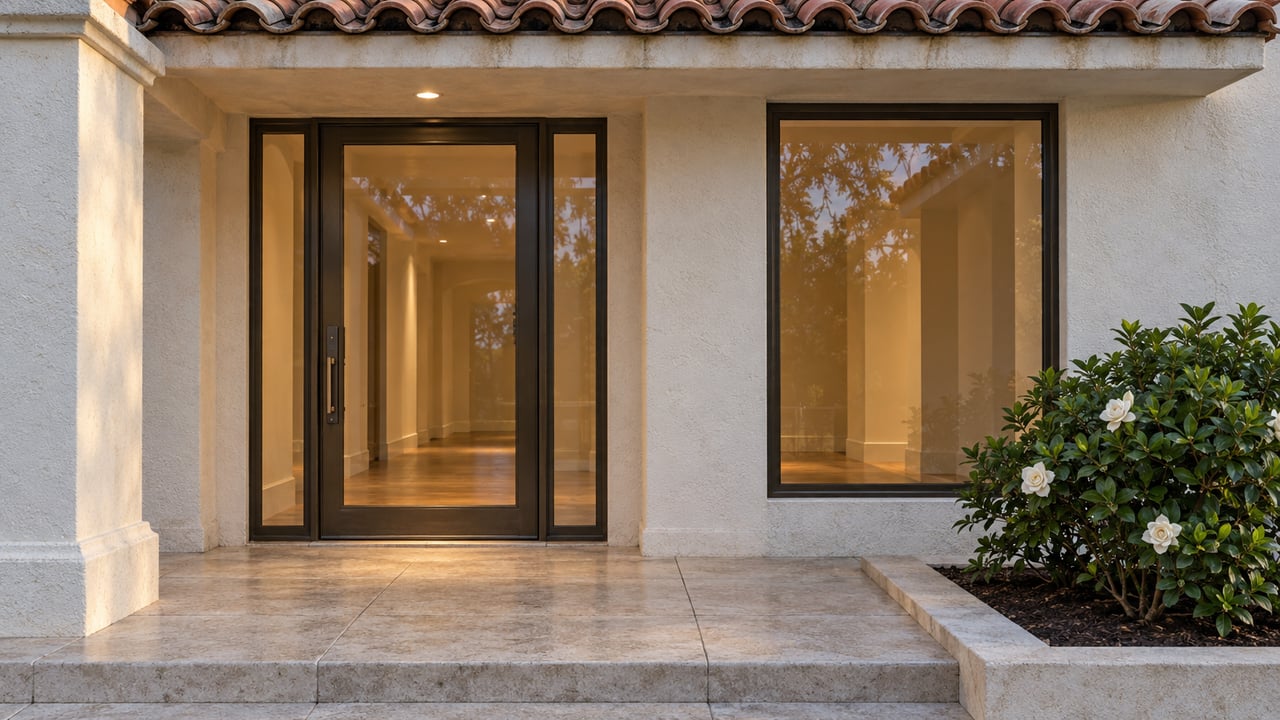
Because buyers are often comparing homes remotely, professional presentation matters. High-quality photography, video, and a room-by-room feature sheet can help your home stand out in a crowded digital search.
This is especially important in Reunion, where buyers may be comparing your resale against new construction, larger resort inventory, and other homes with different use cases. Better media helps buyers understand the full value of what you are offering now.
Get the Paperwork Ready Early
In Reunion, listing prep is not just about cleaning and staging. It is also about documentation.
Buyers in a resort setting tend to ask detailed questions early. If you can answer them quickly and clearly, you reduce friction and build trust.
Documents that help your home stand out
Before showings begin, it helps to organize:
- HOA information
- CDD information
- Amenity-access details
- Parking rules, if applicable
- Property tax details
- Service and maintenance records
- Furniture and exclusions list
- Rental compliance documentation, if applicable
This kind of preparation supports a smoother sales process and helps serious buyers make decisions faster.
Be Clear About Amenity Access
One of the most important details in Reunion is that amenity access is not automatic in every situation. Reunion’s official FAQ says guests who book through Reunion Resort or approved preferred rental partners receive broad amenity access, while third-party bookings may have limited access.
For sellers, this means vague statements can create problems. If buyers are considering personal use, guest stays, or future rental use, they will want to know exactly how amenity access works for your property.
Why this matters in marketing
If your listing suggests a full resort experience, buyers will expect details. Clear, accurate information helps avoid confusion and positions you as a credible seller in a rule-sensitive market.
It is better to explain what is known and documented than to overstate benefits that may depend on booking method or property eligibility.
Talk About Rental Potential Carefully
Rental potential is often part of the Reunion conversation, but it should be presented carefully. It is a possibility, not a promise.
Osceola County says owners should verify that zoning allows short-term rentals, then apply for a Florida DBPR Vacation Rental license and an Osceola County Local Business Tax Receipt. The county also notes that additional rules may apply in subdivisions or planned developments, which is especially relevant in a master-planned resort community.
On top of that, Osceola County’s Tourist Development Tax is 6%, and owners or agents are responsible for collecting and remitting it on short-term rentals. The county tax collector also states that the county does not have collection agreements with Airbnb, Vrbo, Evolve, or other third-party booking platforms.
Safer ways to present rental use
If your property has rental history or may be eligible for short-term rental use, focus on facts such as:
- Whether the property has documented rental history
- What licenses or receipts are currently in place, if any
- What buyers need to verify with zoning and local rules
- How amenity access may affect guest use
- What operating costs and taxes should be considered
This gives buyers useful information without making income promises you cannot guarantee.
Explain Ownership Costs Up Front
Resort buyers usually ask about monthly and annual costs early in the process. If you are prepared, you can keep those conversations productive instead of reactive.
In Reunion, that may include HOA dues, CDD assessments, property taxes, and possible rental-management expenses. Osceola County explains that Community Development Districts are special-purpose local governments used to fund and maintain amenities in newer communities, and that CDD taxes and assessments are itemized on the property tax bill. Reunion is split into East and West CDDs, which help maintain things like roadways, landscaping, stormwater systems, recreation, streetlights, and gatehouses.
When you present these costs clearly, buyers can evaluate the property more confidently. That transparency often helps reduce surprises later in the deal.
A Simple Reunion Seller Checklist
If you want your Reunion home to stand out, start here:
- Price from real market data, not wishful thinking
- Highlight resale advantages over new construction
- Refresh outdoor living spaces and pool areas
- Invest in professional photography and video
- Prepare a room-by-room feature sheet
- Organize HOA, CDD, amenity, and tax documents
- Be precise about rental eligibility and access rules
- Avoid broad claims about rental income or resort privileges
In a market like Reunion, the homes that perform best are usually the ones that feel easy to understand, easy to compare, and easy to say yes to.
If you are thinking about selling in Reunion, the best first step is a strategy that blends market data, accurate property positioning, and standout presentation. The Suzanne and Chad Team helps sellers navigate resort resales with concierge support, strong visual marketing, and clear guidance that fits the realities of this market.
FAQs
How long does it take to sell a home in Reunion, Florida?
- Recent Reunion data shows homes averaging about 70 days on market for the three months ending May 2026.
Can a Reunion home be used as a short-term rental?
- It depends on zoning, licensing through the Florida DBPR, an Osceola County Local Business Tax Receipt, and any additional community rules that apply.
Do all Reunion properties include full resort amenity access?
- No. Reunion’s official FAQ says amenity access can depend on how the property is booked and whether it qualifies under the resort’s access rules.
What costs should buyers review when purchasing in Reunion?
- Buyers commonly review HOA dues, CDD assessments, property taxes, and any expected rental-management or operating costs.
Why is pricing so important when selling in Reunion?
- Buyers in Reunion often compare resales, new construction, and different ownership models, so pricing too high can lead to longer market time and price reductions.