Thinking about buying a vacation home at Margaritaville Resort Orlando? It can be an exciting move, but it is not the same as buying a typical second home in Central Florida. You are buying into a branded resort setting with short-term rental rules, operating costs, and local tax requirements that can directly affect your ownership experience and returns. This guide will walk you through what to know before you buy in 34747, so you can move forward with more clarity and confidence. Let’s dive in.
Understand What You Are Buying
Margaritaville Resort Orlando is a 300-acre vacation destination at 8000 Fins Up Circle in Kissimmee. Official resort materials describe a 265-room hotel, cottages, and villas, along with lagoon pools, a spa, fitness facilities, dining, shopping, Island H2O Water Park, and Sunset Walk.
For many buyers, the biggest draw is the location and guest appeal. The resort states it is about 10 to 15 minutes from Walt Disney World and about 20 to 25 minutes from SeaWorld and Universal, with complimentary shuttle service to major theme parks. That convenience can be a meaningful part of the vacation-rental story.
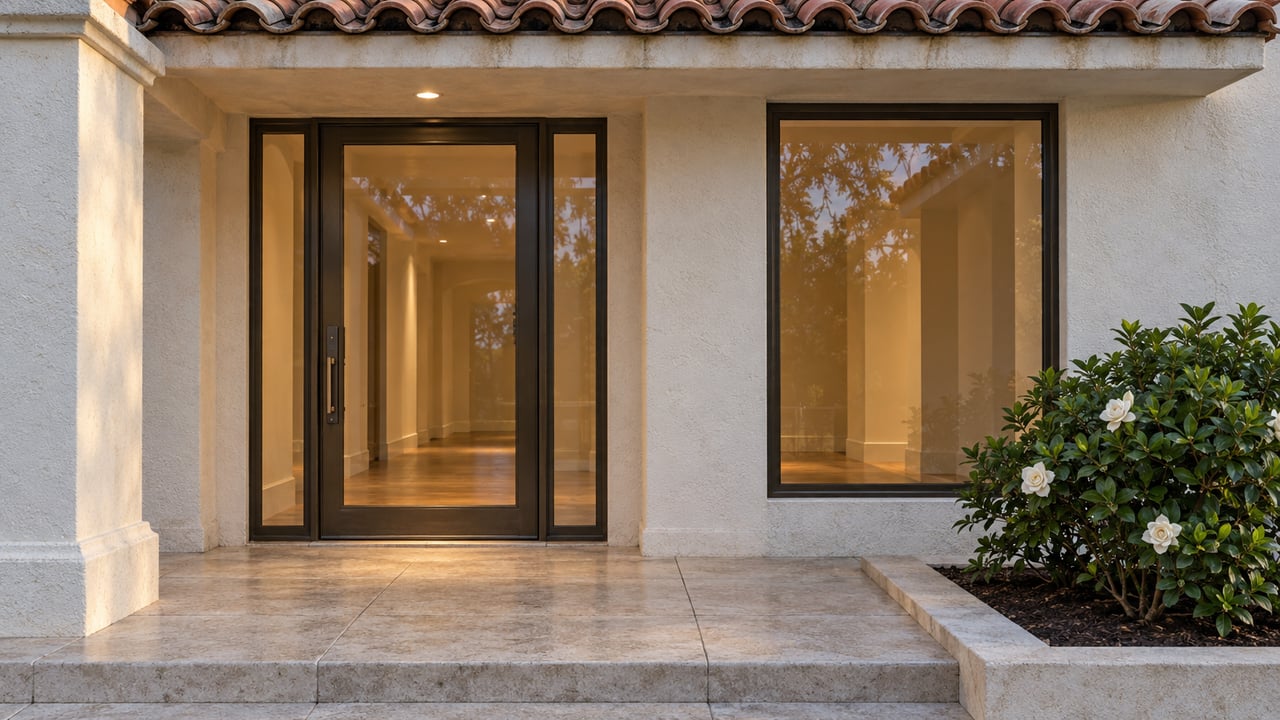
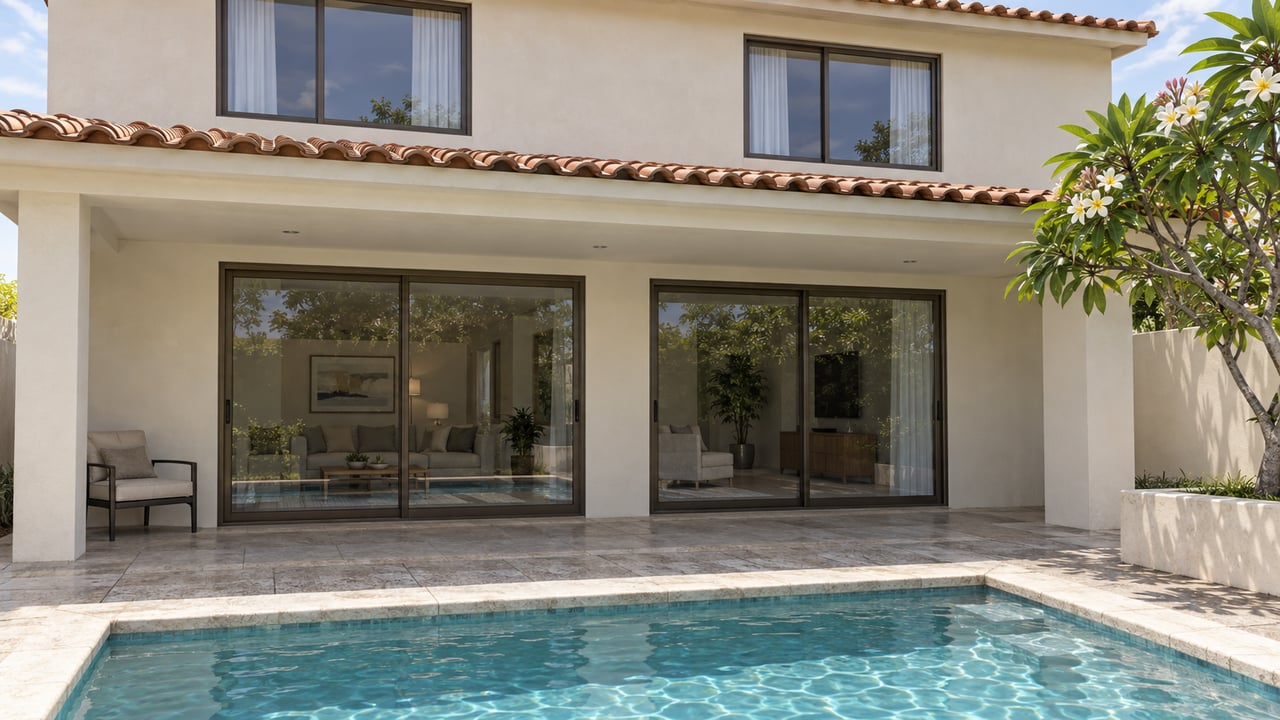
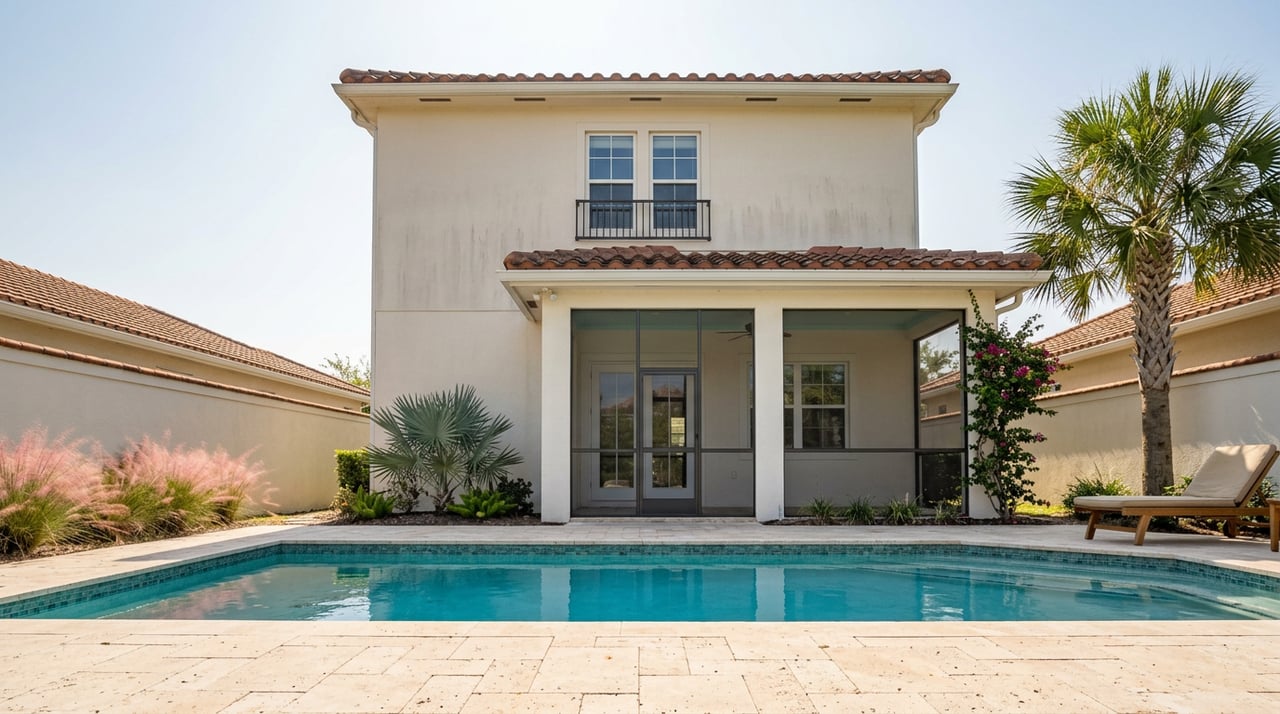
Just as important, the Orlando ownership product should be viewed correctly. The cottages and villas are marketed as vacation rental homes, not timeshares. Current official materials describe cottages ranging from 1 to 8 bedrooms and villas ranging from 2 to 4 bedrooms.
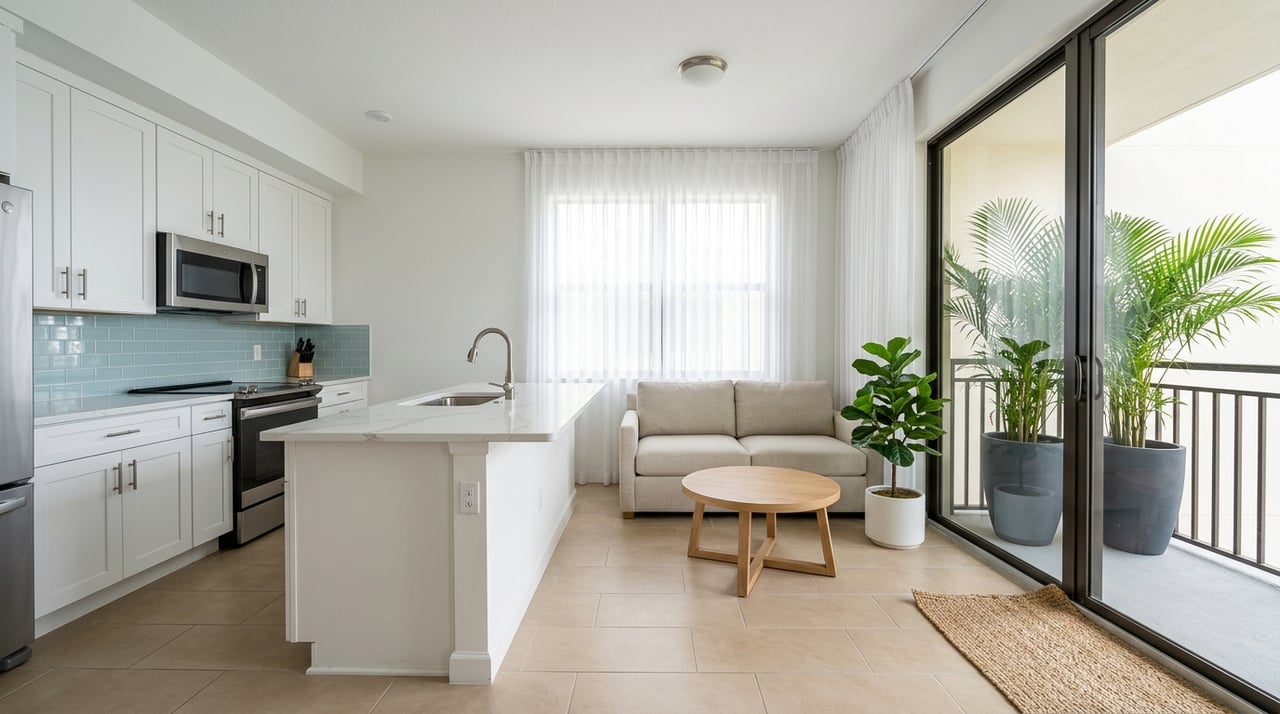
If you come across any condo-related discussion, treat it as a separate verification step. The broader Margaritaville brand offers different ownership products in other markets, so in Orlando you will want to confirm the exact deeded property type and review the applicable association documents before moving ahead.
Know Why This Market Appeals to Buyers
A Margaritaville Resort Orlando home can appeal to buyers who want a personal-use getaway with rental income potential. The resort experience, branded amenities, and theme-park access create a different value proposition than a standard house in the surrounding area.
The homes are also designed for short stays. The resort FAQ says there is no minimum night stay, which can support booking flexibility if the property is marketed and managed well. Some cottage floor plans also include private pools, which may make certain homes more attractive to guests depending on season and bedroom count.
That said, this type of purchase works best when you treat it like a regulated resort asset. Lifestyle matters, but so do zoning, licensing, management structure, carrying costs, and taxes.
Check Short-Term Rental Rules First
Before you make an offer, confirm that the property fits your intended use as a short-term rental. Osceola County says buyers should verify that zoning allows short-term rentals and notes that additional rules can apply in subdivisions or planned developments.
The county also identifies the STRPD zoning designation as a district created specifically for short-term rental housing. Even so, county guidance makes it clear that zoning is only one part of the picture. You should also review any community-level or association-level restrictions that may affect how the home can be rented.
This step matters because buying the right home in the wrong legal framework can create avoidable problems later. A careful document review early in the process can save time, money, and stress.
Understand Florida Licensing Requirements
In Osceola County, short-term rental compliance does not stop with zoning. The county says owners should apply for a Florida DBPR vacation rental license and then register a Local Business Tax Receipt with the county.
DBPR separates licenses by property type. A Vacation Rental - Dwelling license generally applies to houses, townhouses, duplexes, triplexes, quadruplexes, and similar dwelling units. A Vacation Rental - Condominium license applies to condo and co-op units.
DBPR also says that if you rent an entire unit more than three times in a calendar year for stays under 30 days, or advertise it as regularly rented, licensing is generally required. That is why confirming the property type and planned rental model before closing is so important.
Plan for Taxes and Operating Compliance
One of the biggest mistakes buyers make is focusing only on purchase price and projected gross income. In a resort setting like this, compliance and recurring costs are a major part of the ownership math.
Osceola County's tax collector says the owner or agent is responsible for collecting and remitting the 6% tourist development tax on short-term rentals. The county also warns that it is not contracted with Airbnb, Vrbo, Evolve, or similar platforms to do that on the owner's behalf.
In addition, Florida's 6% state sales tax applies, and Osceola's discretionary sales surtax rate is currently 1.5%. In practice, a taxable short-term rental charge in the county is generally subject to a combined 13.5% tax load before platform or service fees.
That does not automatically make the investment less attractive. It simply means you should underwrite the property with the full tax picture in mind rather than relying on top-line revenue alone.
Review Resort Fees and Guest Charges
Guest pricing at Margaritaville Resort Orlando includes more than just the nightly base rate. Current official pages show a $48 plus tax nightly resort fee for hotel guests and a $34.40 to $58.50 plus tax nightly resort fee for cottage guests.
According to the resort, that fee includes Wi-Fi, water-park access, transportation to major attractions, pools, business-center access, entertainment, fitness access, and concierge services. The resort FAQ also lists parking and package-handling charges.
As a buyer, you should understand how these charges affect guest expectations and booking competitiveness. They can support the resort experience, but they also shape how your property is positioned in the market and how guests evaluate total trip cost.
Look Closely at Management and Service Structure
A resort home is not just real estate. It is also part of an operating system that affects guest experience, maintenance standards, and revenue performance.
Rentyl Resorts said in December 2025 that it became the exclusive management company for Margaritaville Resort Orlando and that it has managed the cottages since 2018. Rentyl also said it now handles resort services for the cottages and the broader resort, including housekeeping, front office, maintenance, food and beverage, banquet and catering, HR, accounting, and revenue-generating activities.
That can be helpful for buyers who want a more structured ownership model. Still, you should verify exactly what is included in the management program, what fees are charged, and what costs are passed through to owners.
Official unit description sheets also note daily housekeeping service and additional fees apply. That is another reason to read the management agreement carefully and ask detailed questions before your contingency period ends.
Model Income the Right Way
If you are buying with income in mind, use conservative numbers. Revenue assumptions should focus on bedroom count, seasonality, private-pool features, amenity access, and transportation convenience.
It is also smart to separate gross rental revenue from net ownership performance. Buyers should model management fees, cleaning, insurance, utilities, repairs, furnishing replacement, taxes, vacancy, and financing costs rather than assuming gross rent equals profit.
In other words, a strong booking calendar does not automatically mean strong cash flow. The best purchase decisions come from realistic underwriting, not optimistic guesses.
Think About Personal Use and Tax Planning
Many buyers want a home they can enjoy personally while also renting it to guests. That is possible, but mixed use can make the tax picture more complex.
The clearest way to track this is to keep a calendar that separates rental days from personal-use days. Research cited in the source material notes that vacation-home expenses need to be divided between rental use and personal use, which is why working with a CPA or tax professional is important for this type of ownership.
For buyers who value financial clarity, this is where a disciplined plan matters. Good records can help you understand performance and avoid surprises later.
Follow a Smart Buying Process
A smooth purchase starts with good preparation. Before you get too far into the search, line up a lender with experience in vacation homes or short-term-rental properties.
From there, your due diligence should include:
- Lender pre-approval
- Title review
- Property inspection
- Insurance quotes
- Review of furnishings included in the sale
- Review of the rental-management agreement
- Review of association documents
- Confirmation that the deeded property type matches the intended rental model
If you are considering any condo-style product, make sure the DBPR license classification, the deed, and the association's rental rules all line up. That extra verification can prevent costly mismatches between what you thought you were buying and how you can actually use it.
What a Strong Buyer Strategy Looks Like
The most successful buyers usually approach Margaritaville Resort Orlando with two goals in balance. They want a fun, well-located vacation home, and they want a property that makes sense on paper.
That means asking practical questions early. How is this unit configured? Does it have a private pool? What are the recurring fees? How does the management structure work? What taxes will apply? How many days do you expect to use it yourself?
When you answer those questions up front, you can compare properties more clearly and avoid buying based on branding alone. In this market, the smartest purchase is usually the one that fits both your lifestyle and your operating plan.
If you are exploring a purchase in Margaritaville Resort Orlando, working with a team that understands resort resales, rental rules, and the numbers behind ownership can make the process much easier. The Suzanne and Chad Team helps buyers navigate this niche market with hands-on guidance, local knowledge, and a financial mindset.
FAQs
What kind of property can you buy at Margaritaville Resort Orlando?
- Official materials describe cottages and villas as vacation rental homes, not timeshares. Cottages are marketed from 1 to 8 bedrooms, and villas are marketed from 2 to 4 bedrooms.
Does Osceola County allow short-term rentals in this area?
- Osceola County says buyers should verify that zoning allows short-term rentals, and it notes that additional rules may apply in subdivisions or planned developments.
Do you need a Florida license for a Margaritaville vacation rental home?
- In general, yes if you plan to rent the unit as a short-term rental. Osceola County says owners should apply for a Florida DBPR vacation rental license and register a Local Business Tax Receipt with the county.
What taxes apply to short-term rentals in Osceola County?
- Based on current county guidance, taxable short-term rental charges are generally subject to a combined 13.5% tax load made up of the 6% tourist development tax, 6% state sales tax, and 1.5% discretionary sales surtax.
Is there a minimum stay requirement at Margaritaville Resort Orlando?
- The resort FAQ says there is no minimum night stay.
What should you review before closing on a Margaritaville Resort Orlando home?
- Key items include lender pre-approval, title review, inspection, insurance quotes, included furnishings, the rental-management agreement, association documents, and confirmation that the deeded property type matches your intended use.