By the Suzanne and Chad Team
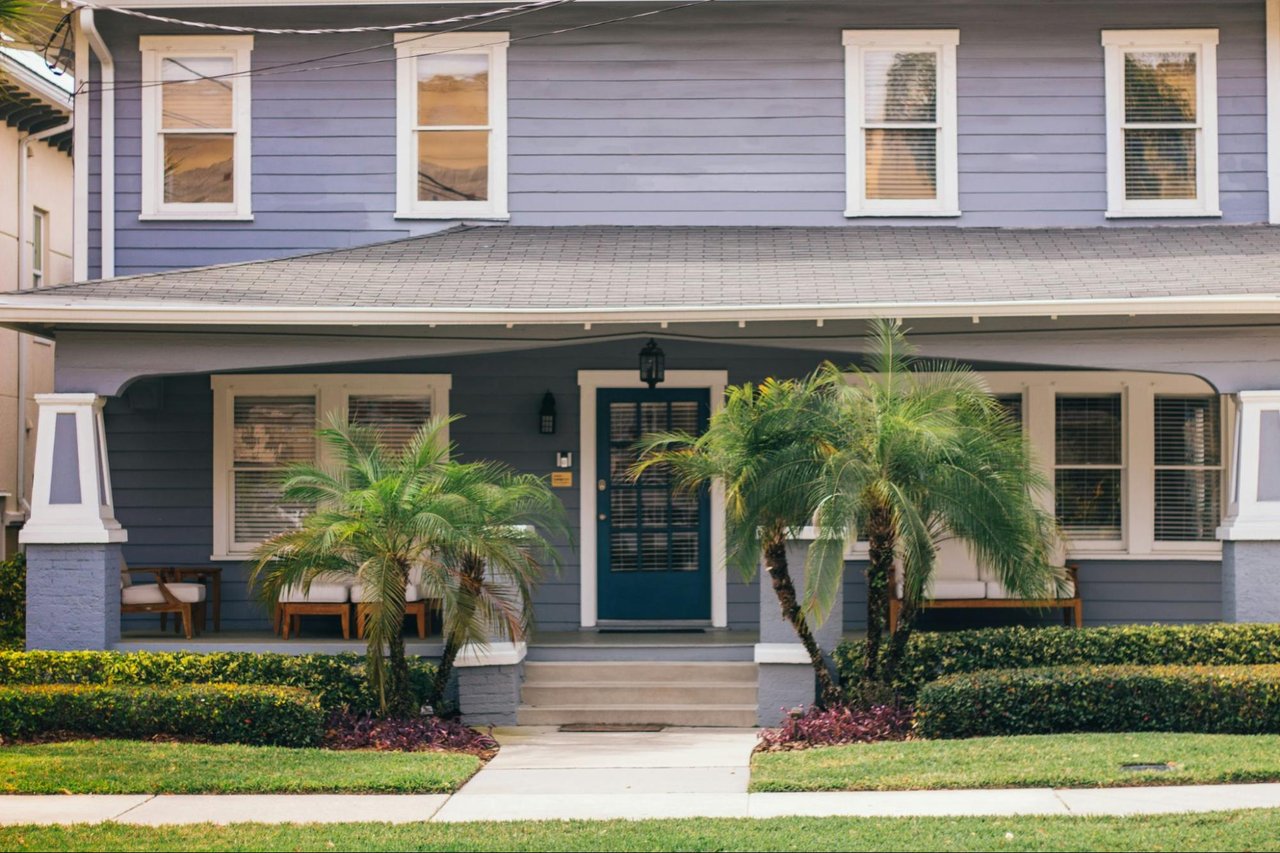
Orlando's older housing stock tells a story that newer construction simply cannot replicate. Throughout the city's established residential areas, you will find Craftsman bungalows with original built-ins, Mediterranean Revival cottages with arched doorways, and Colonial-style homes with wide front porches and heart pine floors that have been walked on for nearly a century. These homes attract buyers who want something with unrivaled character, and that instinct is a good one. The challenge comes in figuring out how to live comfortably in a home that was built for a different era without erasing the very characteristics that drew you to it.
The tension between preservation and modernization is real, but it is also more manageable than most buyers expect. The key is understanding which updates improve your quality of life, which original features are worth protecting at all costs, and how to approach renovation in a way that adds to the home's story rather than interrupting it. Done well, a thoughtfully updated historic home can feel both deeply rooted and completely livable.
Key Takeaways
- Original materials like heart pine floors, plaster walls, and old-growth wood trim are often more durable than modern replacements and worth preserving.
- Kitchens and bathrooms can be fully modernized while still respecting the era and character of the home.
- HVAC, electrical, and plumbing updates are essential in older homes and can be done with minimal disruption to original finishes.
- Choosing materials and finishes that are informed by the home's architectural period produces more cohesive, higher-value results.
- A specialized inspection before purchase gives you a realistic picture of what restoration and renovation will actually cost.
Start By Understanding What You Actually Have
Before any renovation planning begins, the most important step is a thorough assessment of the home's existing conditions. Pre-1950s homes were built with materials and methods that differ significantly from modern construction, and an inspector may flag issues that are specific to that era, such as failing brick mortar joints, deteriorating window glazing, original knob-and-tube wiring that has been improperly extended over the decades, or plaster that is separating from its lath.
Understanding the full condition of what you have allows you to make smarter decisions about what to restore, what to replace, and what to leave entirely alone. It also prevents the common mistake of budgeting for cosmetic updates while overlooking the mechanical and structural work that needs to be completed first. In historic homes, the sequencing of renovation matters; addressing systems before surfaces is always the right order.
Beyond the inspection, it is worth spending time with the home before committing to a renovation plan. Live in it through a season if possible. Pay attention to where the natural light falls, how the air moves through the rooms, and which original features give the home its personality. That understanding will inform every decision that follows.
What a Specialized Inspection Should Cover
- The condition of original plaster walls and ceilings, including whether they are structurally sound or approaching failure.
- The state of the electrical system, particularly whether original wiring has been modified safely and whether the panel has adequate capacity for modern loads.
- Plumbing materials and condition, since cast iron, galvanized steel, and lead supply lines all behave differently and have different lifespans.
- The roof system, including flashing, decking condition, and whether original materials like clay tile or slate are intact and repairable.
- Foundation and structural framing, which in older Florida homes may show signs of moisture intrusion, pest activity, or settling that requires attention before interior work begins.
The Original Features Most Worth Protecting
Not every original element in an older home deserves preservation, but many of the features that buyers find most appealing are also the ones that perform best when properly maintained. Understanding the actual value of what you have already makes it easier to resist the impulse to replace things that are still doing their job.
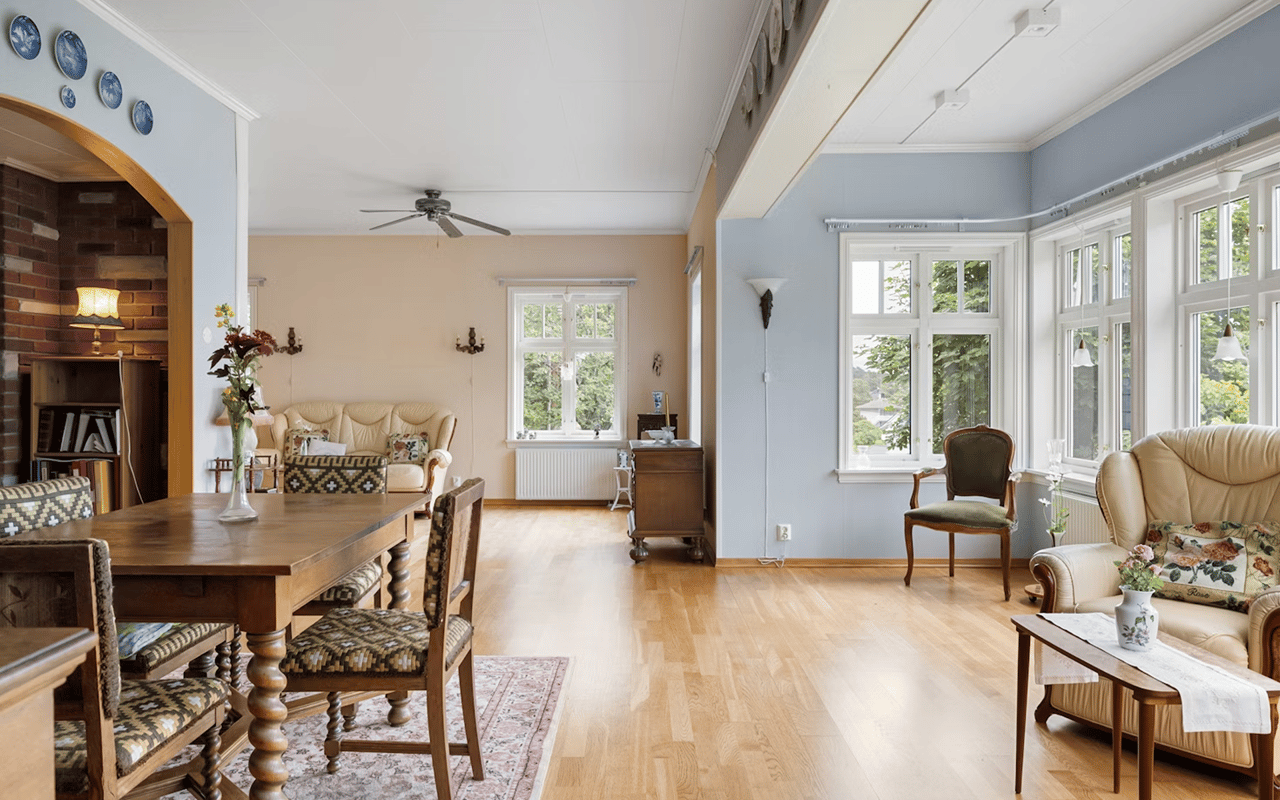
Heart pine and old-growth oak floors are a clear example. The lumber used in pre-1950s construction came from trees that grew slowly over many decades, producing wood with a tight grain density that resists warping, denting, and pest damage far better than most modern flooring options. A floor that has been in place for ninety years and is still solid is not a liability; it is an asset. Refinishing it costs a fraction of replacement and produces a result that contemporary products cannot match.
Plaster walls and ceilings are similarly worth preserving when they are in good condition. Plaster has superior sound attenuation compared to drywall, better thermal mass, and a surface depth that reads differently in light. It is also repairable in ways that drywall is not; skilled plaster restoration can address cracks, holes, and water damage without requiring full replacement. The reflexive decision to gut plaster and replace it with drywall is one of the most common and most regrettable moves in historic home renovation.
Original wood windows are another feature that deserves more credit than they typically receive. Well-maintained wood sash with quality weatherstripping and properly fitted storm panels can perform comparably to modern double-pane units. Replacing original windows with vinyl or aluminum eliminates a defining architectural detail that is extremely difficult to restore later, and in some cases, reduces the value of the home in the eyes of buyers who understand what they are looking at.
Original Features That Reward Preservation Over Replacement
- Heart pine, oak, or fir hardwood floors, which can be refinished multiple times and outlast most modern alternatives.
- Original wood trim, door casings, window surrounds, and baseboards, which define the proportions and character of interior spaces.
- Plaster walls and ceilings, which are repairable and have desirable performance characteristics that drywall does not replicate.
- Wood window sash, which can be restored, weatherstripped, and paired with storm windows to improve energy performance without altering the home's appearance.
- Period hardware, including door knobs, hinges, and window latches, which can often be sourced, restored, or closely matched when replacement is necessary.
Modernizing Kitchens and Bathrooms Without Losing the Thread
Kitchens and bathrooms are where the friction between historic character and modern expectations is most acute, and they are also where thoughtful design makes the biggest difference. The goal is not to recreate a 1930s kitchen with period-correct appliances; it is to create a space that functions exceptionally well while remaining visually coherent with the rest of the home.
In kitchens, the most successful renovations tend to work within the existing footprint rather than reconfiguring the layout in ways that require removing original walls or structural elements. Cabinetry choices matter enormously here. Shaker-style cabinets in painted or natural finishes with period-informed hardware read as updated without looking out of place in a Craftsman or Colonial Revival home. Contemporary slab-front cabinetry, by contrast, tends to create a visual disconnect that makes the kitchen feel like a different building entirely.
Material choices carry similar weight. Subway tile, unlacquered brass or oil-rubbed bronze fixtures, marble or butcher block countertops, and apron-front sinks all bridge the gap between historic character and modern function effectively. Induction ranges and panel-ready refrigerators allow for high-performance appliances without the visual disruption of stainless steel that dominates so many renovation projects.
Bathrooms in older homes often have original tile work, cast-iron tubs, and pedestal sinks that are typically worth keeping. A clawfoot tub that has been re-glazed and fitted with a modern faucet is both more durable and more appealing than most contemporary replacements. Where a full-bathroom renovation is necessary, using subway tile, hex mosaic floors, and fixtures with period-appropriate profiles keeps the space feeling intentional.
Design Choices That Work Well in Historic Homes
- Shaker-style or raised-panel cabinetry in kitchens, which complements most pre-1960s architectural styles without looking dated.
- Subway tile, hex tile, and natural stone in kitchens and bathrooms, which age gracefully.
- Unlacquered brass, oil-rubbed bronze, or chrome fixtures, which align with period hardware profiles better than brushed nickel or matte black.
- Panel-ready or integrated appliances, which reduce visual noise in spaces where original architectural detail should remain the focus.
- Restored or re-glazed cast iron tubs and original tile floors, which perform as well as new materials and carry more character.
Updating Systems Without Disturbing Original Finishes
The mechanical systems in an older home — HVAC, electrical, and plumbing — typically require meaningful updates regardless of how well the home has been maintained. The good news is that these updates can almost always be accomplished in ways that leave original plaster, flooring, and trim intact, provided you work with contractors who understand the constraints and prioritize minimally invasive methods.
For HVAC, mini-split systems have become the most practical solution in historic homes that were never designed for central ductwork. They require no large chases through original ceilings or walls, operate quietly and efficiently, and can be configured to provide both heating and cooling throughout the home. High-velocity mini-duct systems are another option, using small-diameter flexible tubing that can be routed through walls and floors with limited disruption to plaster surfaces. Both approaches allow you to achieve modern comfort without the visual and structural damage that comes with forcing traditional ductwork into a building that was not designed to receive it.
Electrical updates are non-negotiable in most pre-1950s homes. Original knob-and-tube wiring is not compatible with modern electrical loads. Rewiring a historic home requires careful planning to minimize damage to plaster and original finishes, but experienced electricians who work in older buildings have developed techniques, including fishing wire through walls and using existing chases, that make this possible without wholesale destruction of interior surfaces.
System Updates That Minimize Damage to Original Features
- Mini-split HVAC systems, which require only small penetrations through exterior walls and no interior ductwork.
- High-velocity mini-duct systems, which use small-diameter flexible tubing that can be routed with minimal disruption to plaster ceilings and walls.
- Careful electrical rewiring that uses existing chases and wall cavities wherever possible to avoid unnecessary plaster removal.
- Plumbing reconfigurations that work with the existing layout rather than requiring new chases through original flooring or framing.
- Blown-in insulation added to wall cavities through small exterior penetrations, which improves energy performance without opening interior walls.
FAQs
How Do I Know Which Original Features Are Worth Keeping?
The general rule is that original materials in structurally sound condition are almost always worth preserving. If a feature is intact, functional, and made of old-growth wood, plaster, cast iron, or period tile, restoring it will typically cost less and produce better results than replacing it. The exception is when a feature is beyond repair or when preserving it would prevent a necessary structural or systems update from being done properly.
Can I Add Modern Amenities to a Historic Home Without Compromising Its Character?
Yes, with the right approach. The key is selecting finishes and fixtures that are informed by the home's architectural period and avoiding updates that visually dominate original details. Modern appliances, updated lighting, new HVAC, and fully renovated kitchens and bathrooms can all coexist with historic character when the design choices are made deliberately.
Is It Possible To Improve Energy Efficiency in a Historic Home?
Yes. Air sealing around penetrations, adding blown-in insulation to wall cavities, installing storm windows over original wood sash, and upgrading to a modern HVAC system can collectively bring energy performance in line with newer construction. Mature tree canopy also reduces solar heat gain meaningfully, which matters in Central Florida's climate.
Honoring the Past While Building Your Future
The best historic home renovations do not erase what came before; they add to it. When you approach an older home with respect for its original materials and architectural logic, the updates you make tend to feel cohesive rather than jarring. The home retains its sense of permanence and character, and you gain the comfort and functionality that modern living requires.
When you are ready to explore historic homes in Orlando, our team is here to help you evaluate properties with an informed eye and connect you with the resources you need to move forward with confidence. Reach out to us at The Suzanne and Chad Team to get started.