Run the comps on a Windsor Island Resort resale and you'll hit a gap fast. Pull up Windsor Hills and you get two decades of booking history, a documented occupancy band, and enough repeat-guest data that lenders and property managers treat it like a known quantity. Pull up Windsor Island and the guidance turns vague. Investor write-ups describe "solid platform demand" and "updated amenities" but stop short of citing an occupancy range the way they do for the established resorts a few miles away. That's not an oversight. It's because the number doesn't exist yet in a form anyone can cite with confidence.
That gap is the actual story for anyone pricing a Windsor Island purchase in late 2026, and it cuts both ways.
The Comparison Nobody's Underwriting Sheet Admits To
Investor guides comparing Kissimmee's short-term rental communities lean hard on track record when they talk about Windsor Hills. Built starting in the mid-2000s and sitting about two miles from Disney's entrance, it gets called the "dependable workhorse" of the segment, with published occupancy running 65 to 75 percent and top-performing five and six-bedroom villas hitting 70 to 78 percent or higher. Storey Lake, newer but still with several years of bookings behind it, gets credited with occupancy in the upper 70s to low 80s percent range, attributed directly to its modern inventory and amenity package.
Windsor Island doesn't get a comparable number. The most specific claim available is that it has "solid platform demand," which is a real estate way of saying the listings look good on Airbnb and Vrbo but nobody has three years of trailing revenue to point to yet. That's the natural condition of a community whose build-out phases were still selling as recently as this year. As of August 2026, the latest phase of new construction at Windsor Island had sold through, and the active market shifted to resale inventory, according to listing data from brokerages tracking the community. A resort that recently finished selling isn't a resort with an established performance history. It's a resort about to build one.
What "Newest" Actually Buys You
None of this means Windsor Island is a weak asset. It means the case for it rests on a different kind of evidence.
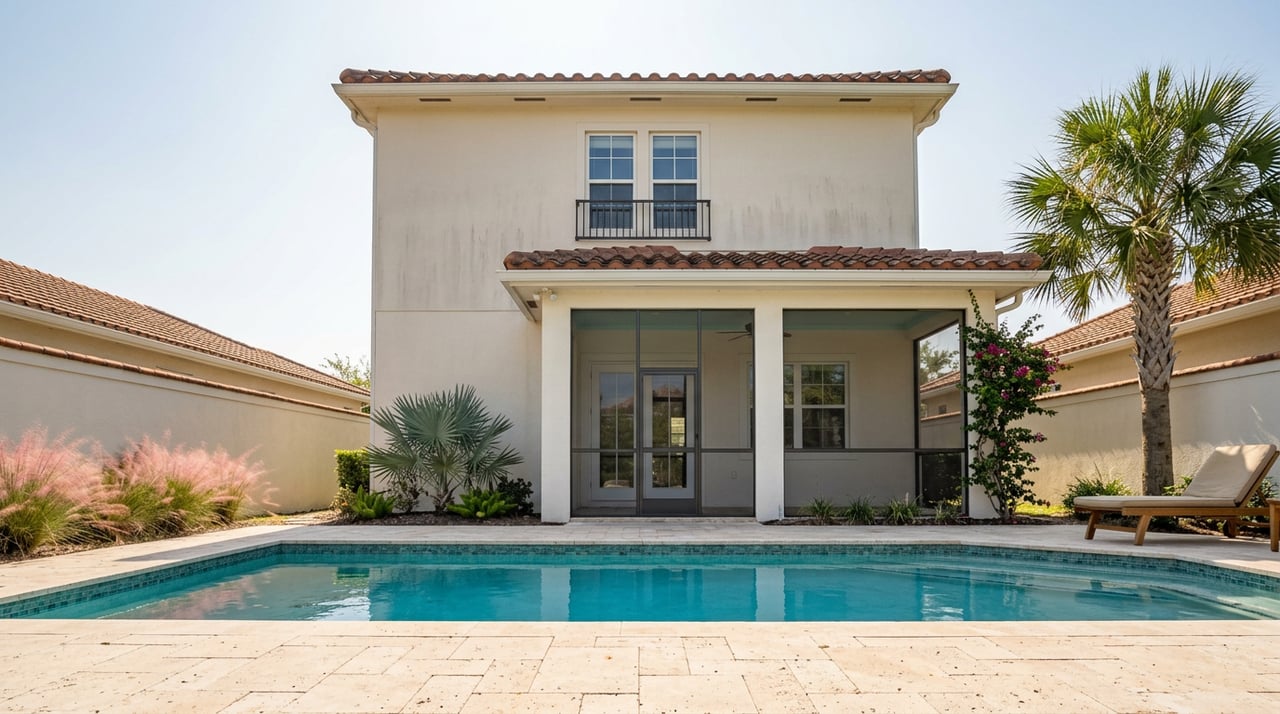
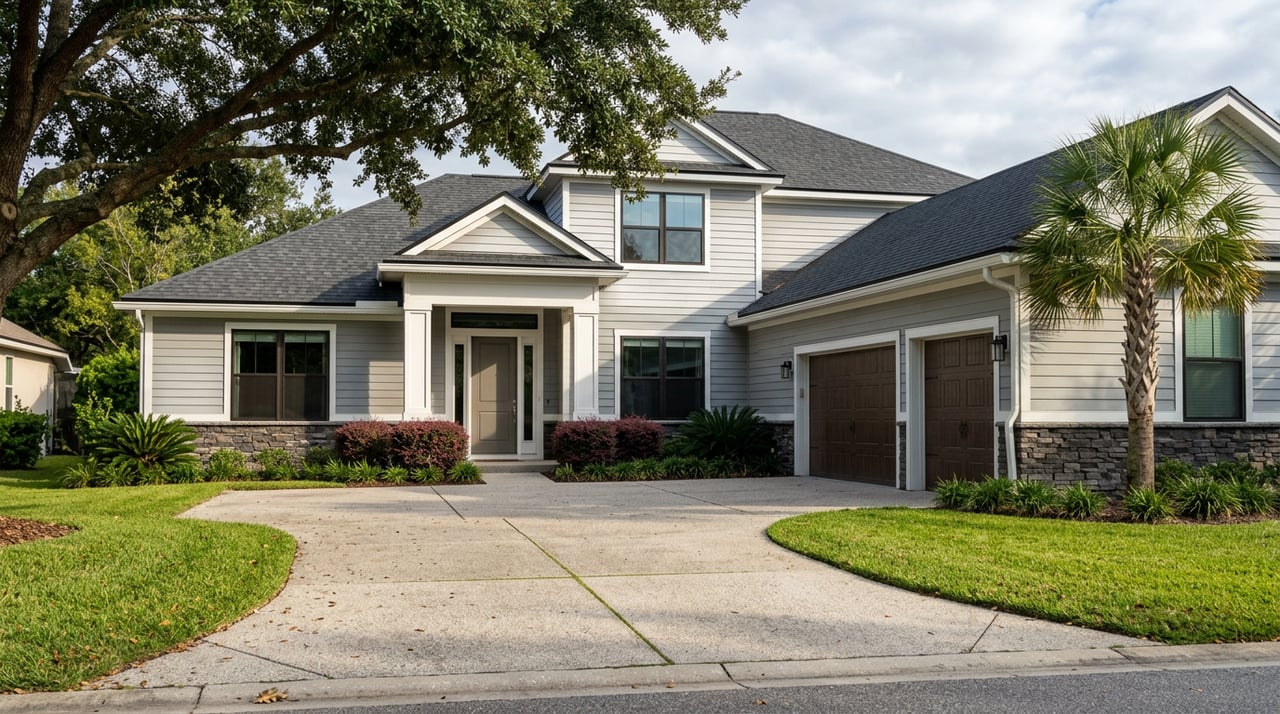
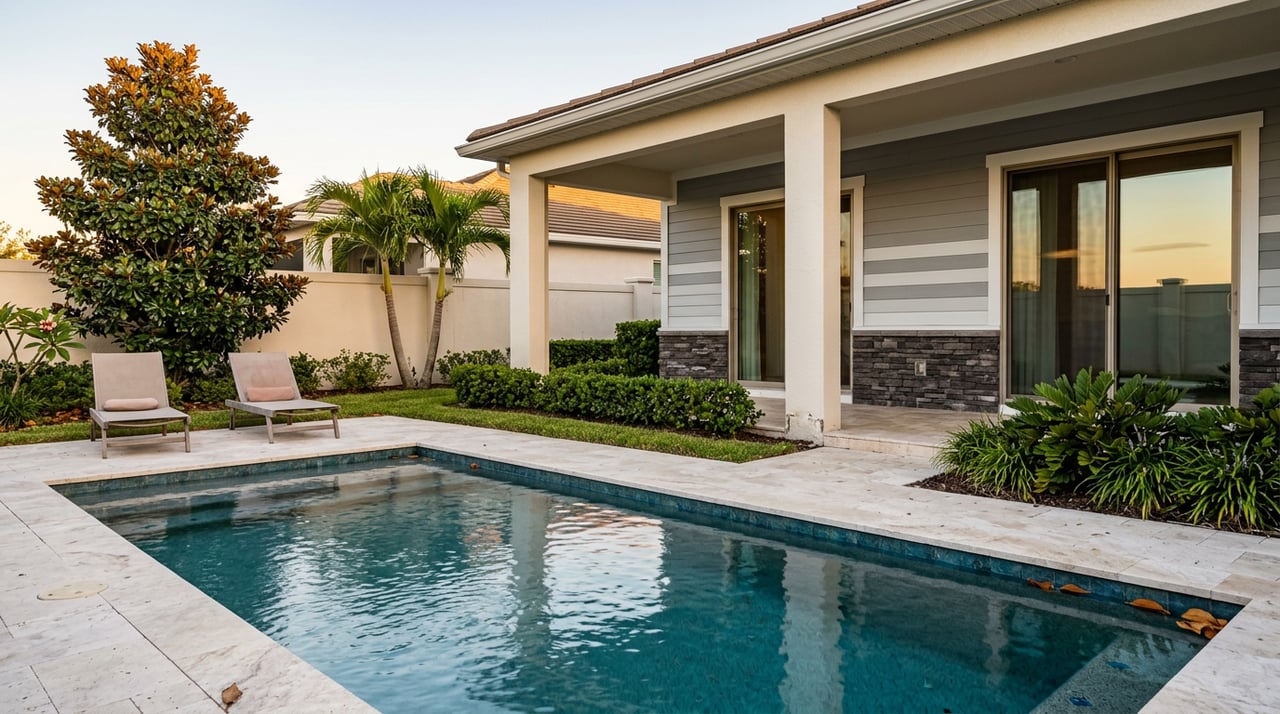
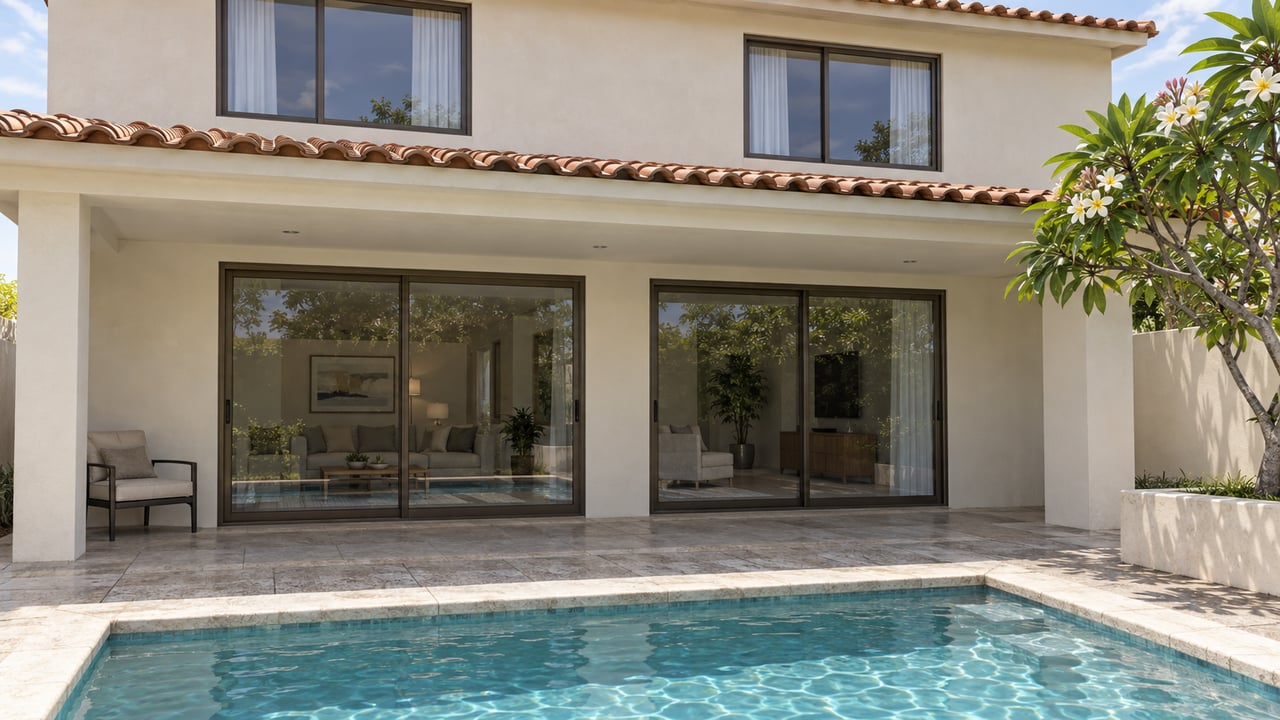
The homes themselves are purpose-built for the short-term rental buyer in a way older inventory sometimes isn't. Floor plans run from five-bedroom townhomes to ten-bedroom single-family homes, an unusually wide range that lets one property serve anything from a couples' getaway to a three-family reunion. The community's centerpiece, the Aloha Clubhouse, anchors amenities that read like a checklist built specifically to compete on Airbnb search filters: a zero-entry resort pool with a lazy river, dual water slides, a children's splash pad, a nine-hole mini golf course, and onsite food and drink through the Blue Marlin Grille and a poolside Snack Shack. None of that is unique in the Kissimmee resort corridor, but the fact that it's all new construction matters for a specific reason: less deferred maintenance in the near term, which is real money saved on the HVAC, roof, and appliance replacements that older resorts like Windsor Hills are now facing as their original systems age past twenty years.
Here's how the four most-cited communities in this segment actually stack up on the numbers investors say matter most.
| Community | Approximate Age | Cited Occupancy Range | Entry-Level HOA |
|---|---|---|---|
| Windsor Hills | Built mid-2000s | 65% to 75% (70%+ for top villas) | Varies by unit type |
| Storey Lake | Newer construction, established | Upper 70s to low 80s% | Higher than Windsor Hills |
| Windsor Island Resort | Newest, build-out recently completed | Not yet independently published | $300 to $500/month |
| Reunion Resort | Established luxury | Not directly comparable (luxury segment, highest ADR) | Higher, luxury-tier |
The dash where Windsor Island's occupancy number should be is the whole point. It's not that the resort performs poorly. It's that nobody outside the property managers actually running homes there has published a track record long enough to trust.
The One Clause Windsor Island Has That Its Neighbors Don't
There's a structural detail in Windsor Island's governing documents that gets less attention than the clubhouse but matters more at resale. The community allows short-term rental use, long-term lease, and full-time primary residence, all under the same HOA framework. That's not universal in this corridor. Celebration, a short drive away, restricts rentals under 30 days specifically because its HOA has chosen to keep the community residential rather than resort-style. Several other Disney-corridor communities carry similar minimum-lease requirements in their covenants, conditions, and restrictions.
That flexibility widens Windsor Island's eventual resale pool in a way single-purpose STR communities can't match. A homeowner who bought to run a short-term rental and later wants out isn't limited to selling to another investor. The buyer pool includes anyone who wants a primary residence with resort amenities, a long-term tenant situation, or a part-time vacation home with the rental option left open. For an asset class where liquidity at exit is one of the quieter risks, that's worth more than it looks like on a fact sheet.
The Real Math Before You Write an Offer
The costs are where the newness premium and the track-record discount actually meet.
Windsor Island's HOA fees run roughly $300 to $500 a month, on the lower end of the broader Kissimmee resort range, which spans $200 to $900 depending on amenities and unit size. Osceola County, where the community sits, charges a combined transient tax of 13.5 percent on every nightly booking, on top of the state's requirement that any property rented more than three times a year for stays under 30 days carry a Department of Business and Professional Regulation vacation rental license. None of that is unique to Windsor Island. It's the standard cost stack for any legally operating short-term rental in this corridor.
What changes with a newer, less-documented community is how conservatively lenders, insurers, and even property managers price risk into their numbers. Regional data for well-chosen Kissimmee resort properties puts gross cap rates at 7 to 9 percent, with net returns landing between 4 and 6 percent after management, taxes, insurance, and HOA costs. Those ranges assume the property performs in line with community norms. Without a multi-year Windsor Island-specific occupancy history, an appraiser or lender has to lean on regional averages rather than resort-specific comps, which tends to produce more cautious income assumptions than an investor pricing off Windsor Hills or Storey Lake's harder numbers would get.
One line from a recent Orlando vacation-home investment analysis captures why the community you choose matters more than the house itself: two nearly identical pool homes can post income statements 40 percent apart based on community, amenities, and management alone. Windsor Island's amenities are strong. Its management track record, community-wide, is still being written.
What This Means If You're Underwriting a Windsor Island Purchase Now
Ask for actual trailing revenue on the specific property, not a projection built off regional averages or a builder's pro forma. A property manager who's run even a handful of Windsor Island homes for twelve months has real numbers, and those numbers matter more than anything published about the community as a whole.
Price the newness discount into your offer rather than assuming resale prices should track the premiums Windsor Hills or Storey Lake now command on the strength of their history. A newer community without published performance data should trade at some discount to its documented neighbors until that data exists, all else equal.
Weigh the flexibility clause as a real asset, not a footnote. A home that can pivot between short-term rental, long-term lease, and primary residence carries lower exit risk than a home locked into a single use by its HOA documents, and that's worth factoring into what you're willing to pay today.
Frequently Asked Questions
How far is Windsor Island Resort from Walt Disney World? Distance estimates vary by source and by which Disney entrance you're measuring to, but most place it roughly 9 to 11 miles from the parks, a bit farther than Windsor Hills at about 2 miles or Reunion Resort at roughly 6 miles.
Can I live at Windsor Island Resort full time, or is it strictly a rental property? The community's governing documents permit short-term rental, long-term lease, and full-time primary residence, giving owners more flexibility than communities with strict rental-only or residential-only restrictions.
What tax obligations apply to short-term rentals in Windsor Island Resort? Properties sit in Osceola County, which levies a 13.5 percent combined transient tax on nightly bookings. Owners also need a Florida Department of Business and Professional Regulation vacation rental license if the home is rented more than three times a year for stays under 30 days.
If you're weighing a Windsor Island Resort purchase against one of its more established neighbors, the numbers above are a starting point, not a finish line. The Suzanne and Chad Team pulls actual trailing performance data on specific resort properties before you write an offer, so you're pricing the house you're buying instead of the community's reputation. Start Your Home Search.